Category:
Symphonic / Orchestral
,
Chamber Music
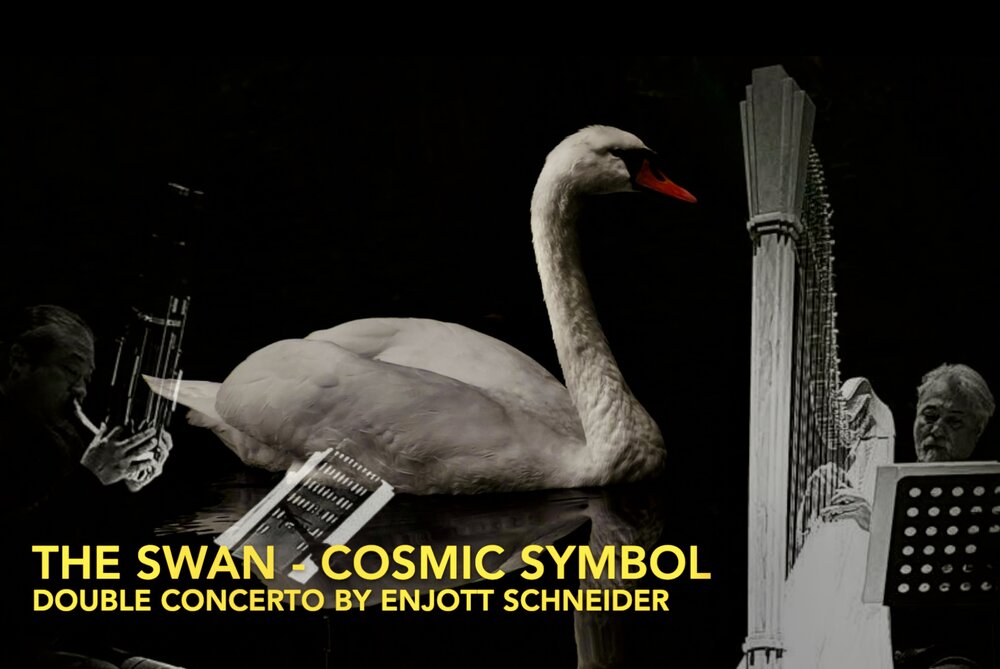
Hardly any other animal features as prominently in legends and myths as the white ‘swan’, whose
symbolism is associated with purity, beauty, light and the divine realm.
The ‘black swan’, on the other hand, represents black magic, dark waters, death or an androgynous, dual world.
The ‘swan’ myth dates back over 45,000 years to the Siberian prehistory of
humanity, where evidence has been found of a profound, yet enigmatic, knowledge of the cosmos and a
calendar system based on the constellation of the Swan: the Denisovans
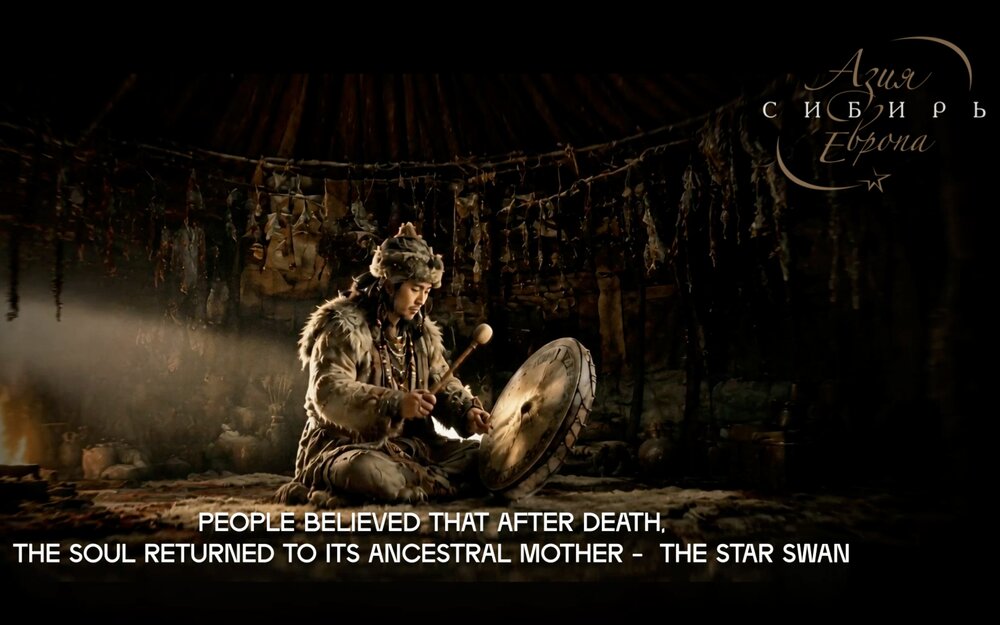
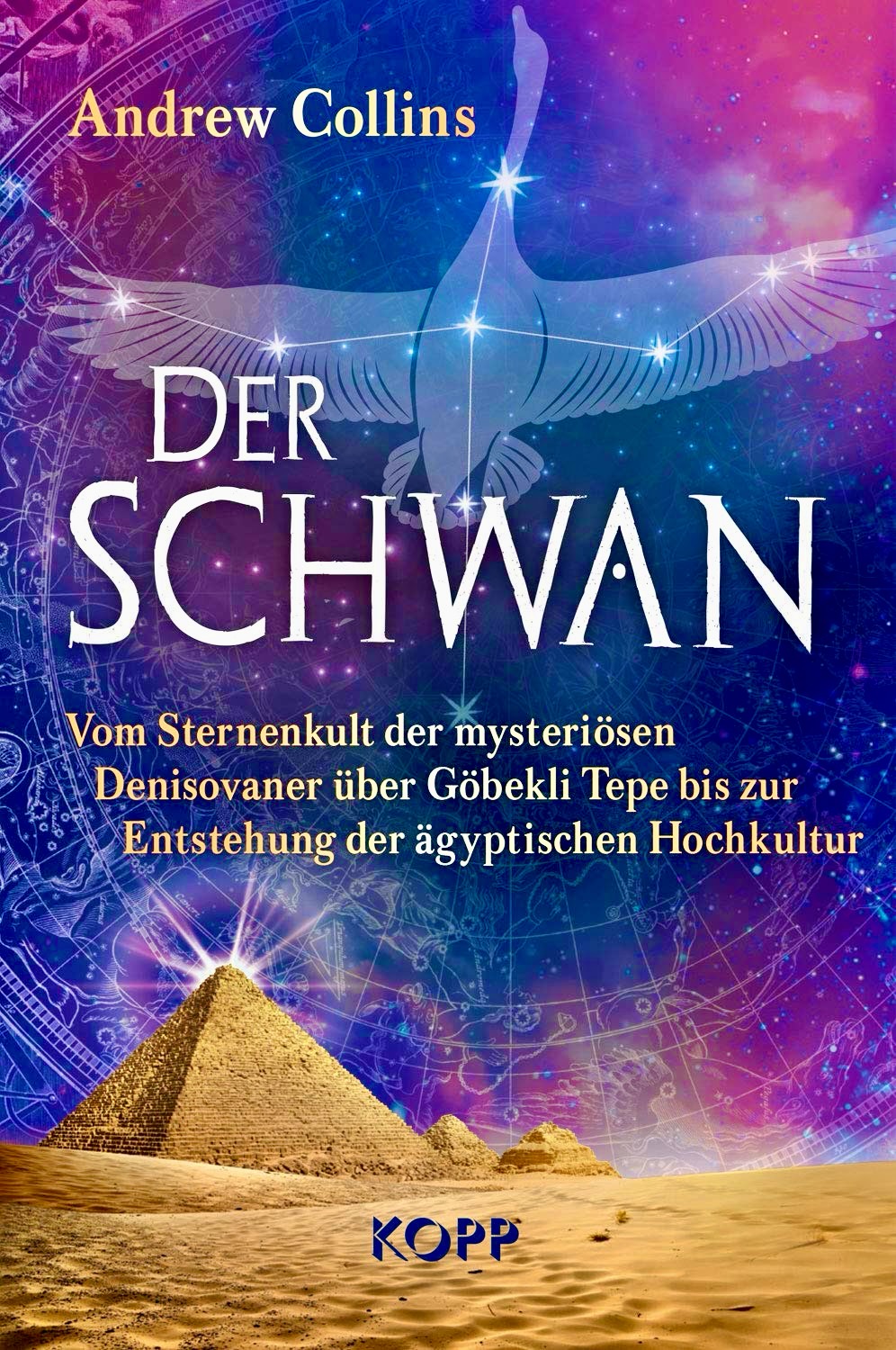
in the Siberian Altai Mountains were technologically advanced, which is difficult to reconcile with the Stone Age. They carried their knowledge – that souls are reincarnated in the zodiac sign of the ‘Swan’ – to Göbekli
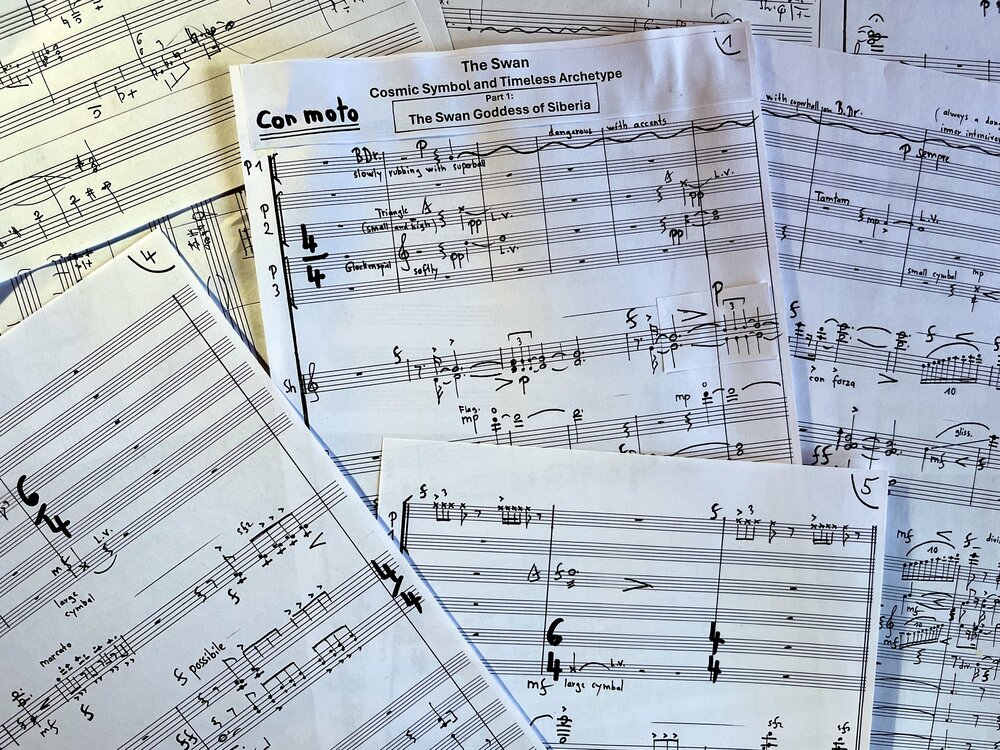
Tepe in Anatolia and then into ancient Egypt. The double concerto explores these mysteries with an unusual combination of soloists and mysterious timbres. At times, there are echoes of Jean Sibelius, Richard Wagner or P. I. Tchaikovsky. Commissioned for the ‘Asia – Siberia – Europe’ festival in 2026 in Krasnoyarsk (Siberia), with which I have had a friendly connection since 2016.
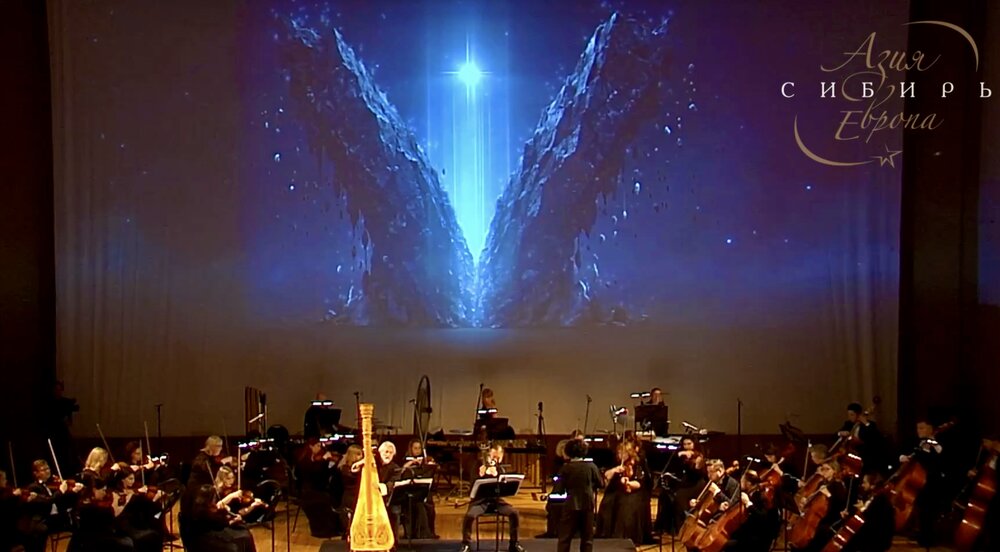
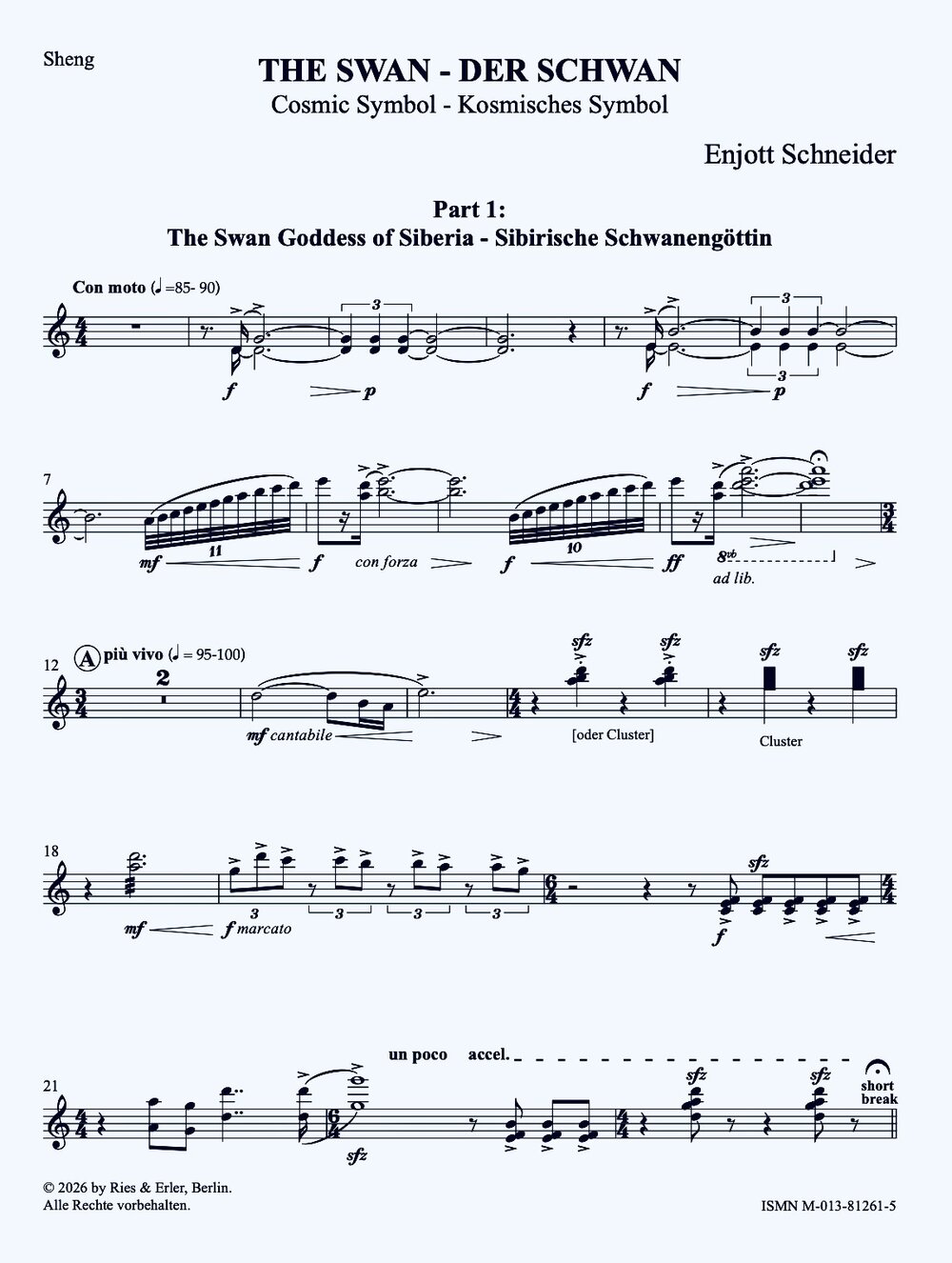
Movements: 1: Sibiriens Schwanengöttin - The Swan Goddess of Siberia
2: Göbekli Tepe, Tor zur anderen Welt - Gateway to Another World
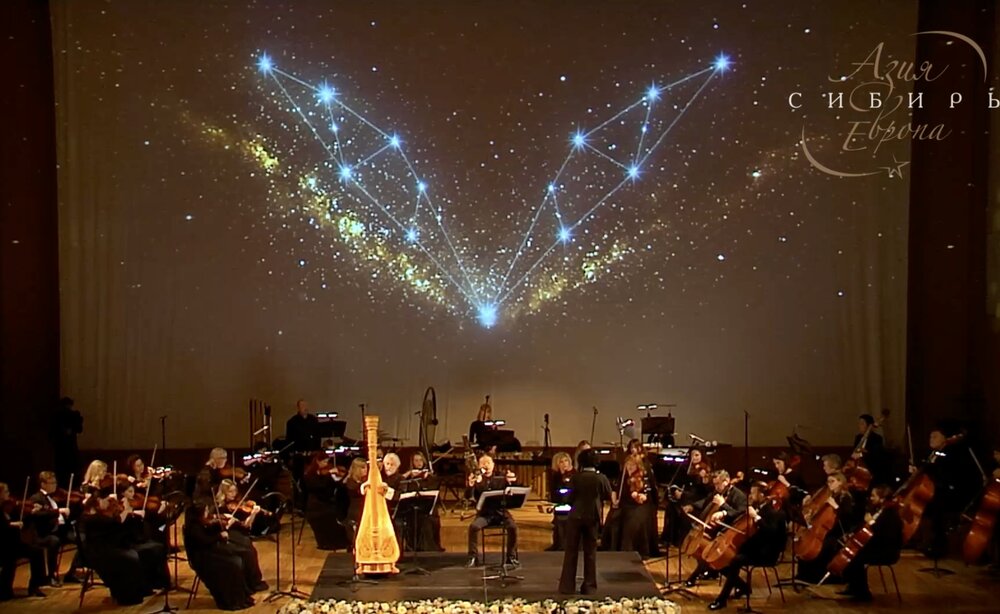
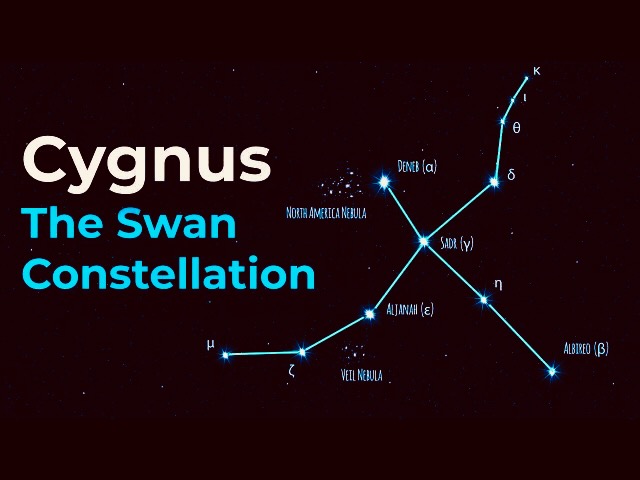
3: Sternbild Cygnus - Constellation Cygnus
4: Der Schwarze Schwan - The Black Swan
5: Schwanentanz - Swan Dance
6: Der sterbende Schwan, Heimflug - The Dying Swan: A Journey Back Home
Duration: 26 Minuten
Publisher of notes/sheet music: Ries & Erler Musikverlag Berlin
, 2026
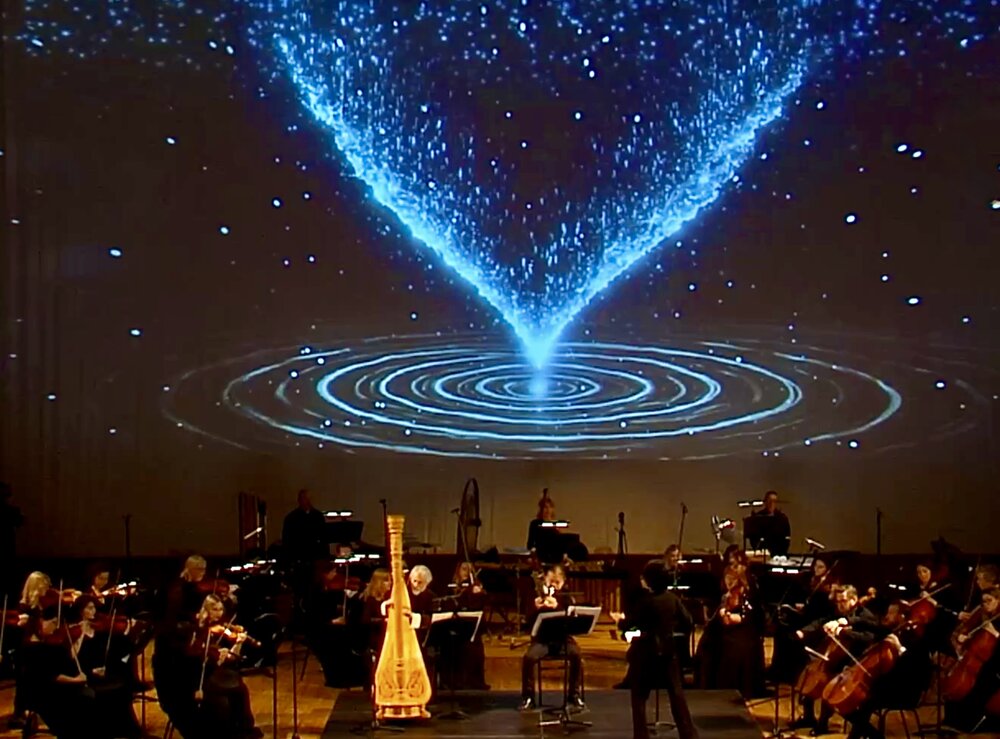
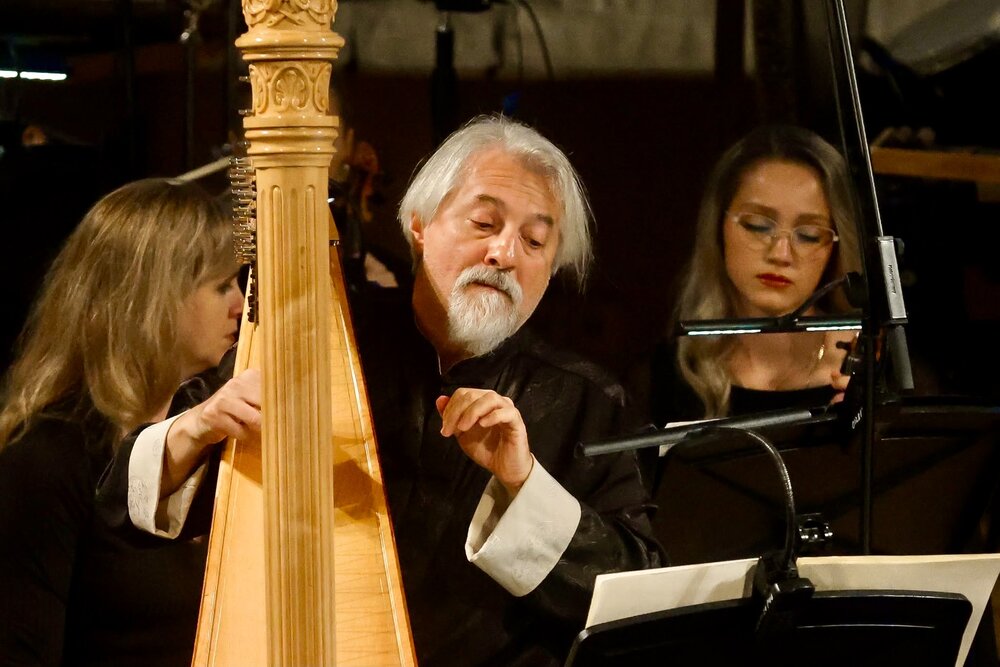
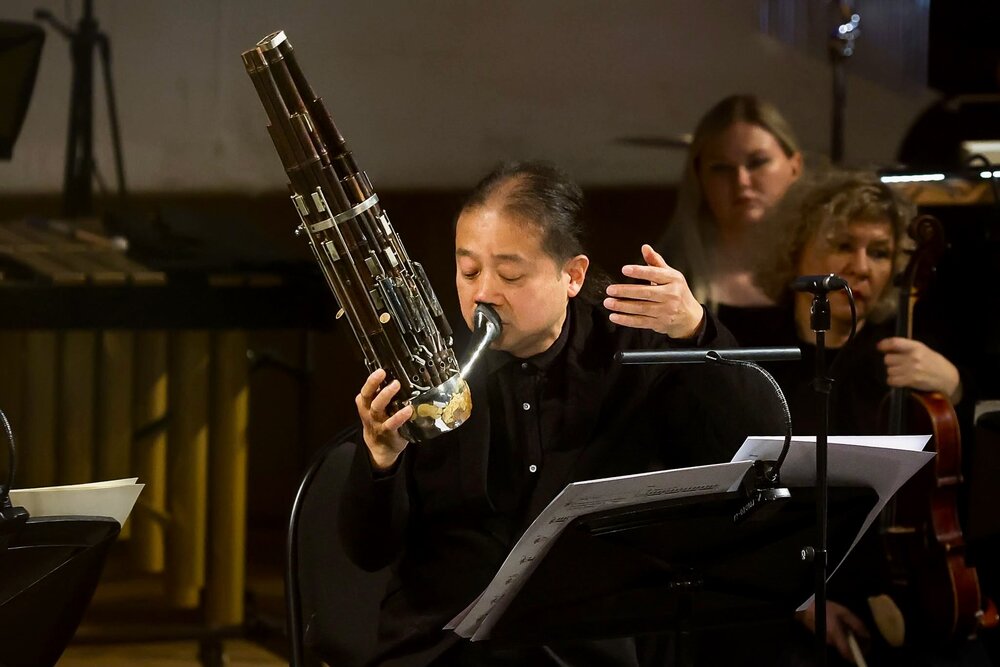
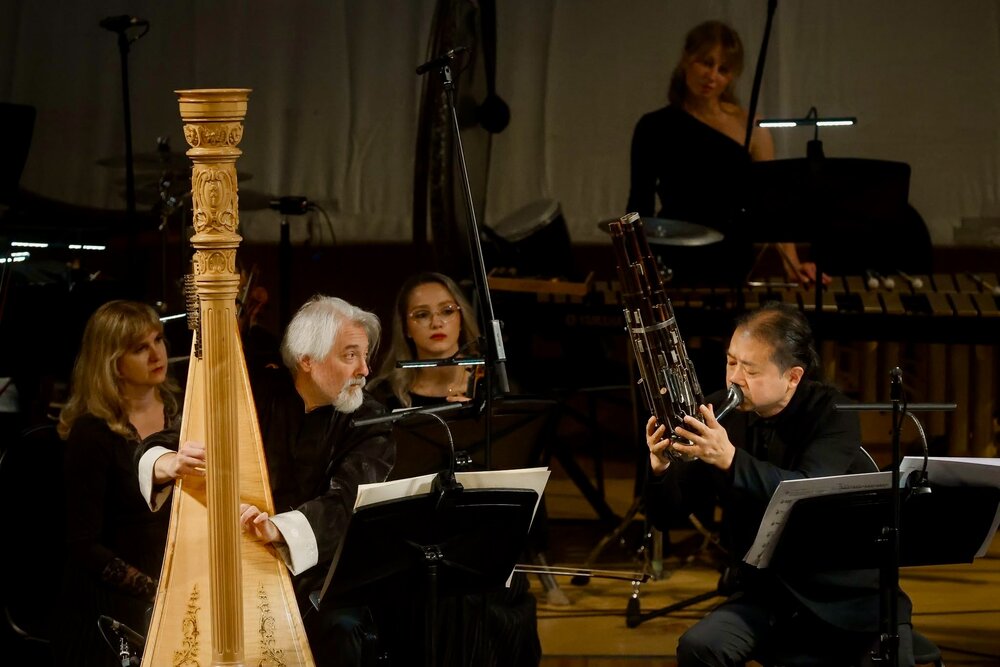
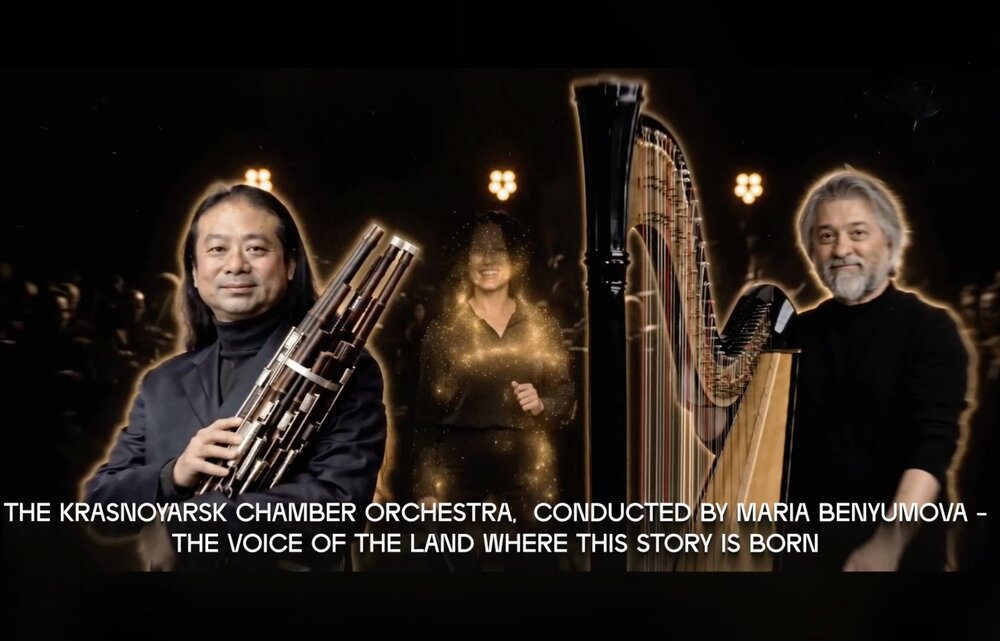
Instrumentation: Soloists: Sheng (chinese mouth organ) and concert harp
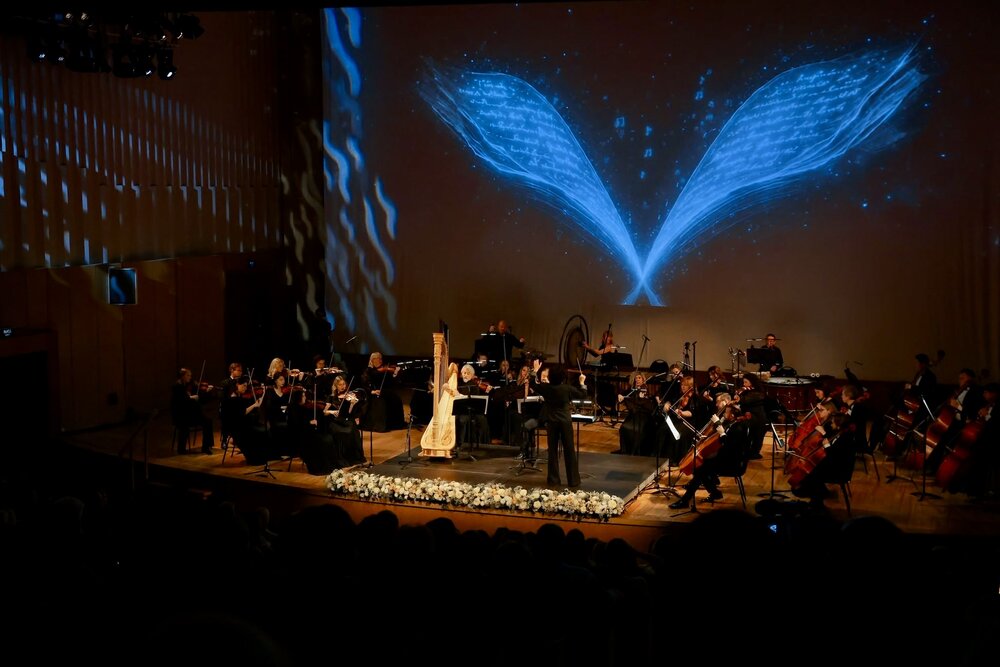
Large String orchestra (Vl. 1+2, Vola 1+2, Vc 1+2, Double Bass)
and three percussion players
1: Triangle, Bass Drum, Chinese Cymbal, Woodblocks, metal chimes, water phone
2: Triangle, Vibraphone, Tamtam, Darabuka (or: handdrum)
3: Triangle, Glockenspiel, 3 suspended Cymbals, large rainstick, asian drum (or: TomTom), Tubular Bells
Introduction: Hardly any other animal is as present in legends and fairy tales as the white swan,
whose symbolism is associated with purity, beauty, light, angels and the divine sphere.
According to the law of frequency, where every wave crest has a wave trough, the ‘swan
energy’ can also turn into something demonic and dark in the sense of an implicit
transformation and almost inevitable change. The ‘black swan’ then stands for black
magic, death and mourning.
The myth of the ‘swan’ dates back over 45,000 years to the prehistory of mankind,
where, mysteriously, profound knowledge of the cosmos and a calendar system based
on the constellation of Cygnus has been proven to exist: the Denisovans lived in the
Siberian Altai Mountains and were a technologically advanced community that is
dikicult to reconcile with the Stone Age. They carried their knowledge and belief in the
afterlife – that souls are reincarnated in the constellation of Cygnus as the distinctive
structure known as the “Northern Cross” – to Göbekli Tepe in Anatolia and then to Egypt,
where the ancient knowledge of cosmic processes was then reflected in the dimensions
and reference points of the pyramids and buildings.
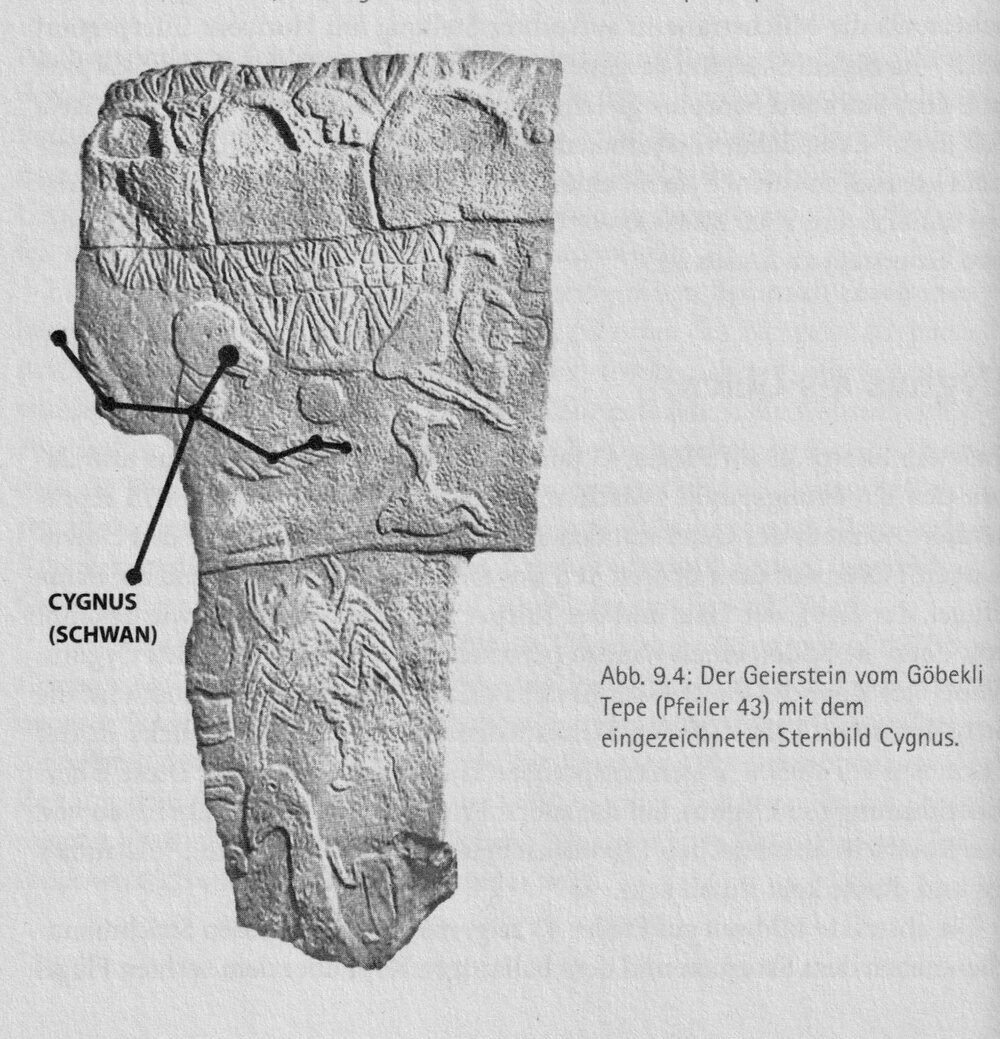
At Göbekli Tepe, architectural evidence can still be admired today, showing how
everything was astronomically aligned with the constellation of Cygnus and how this
influenced thinking and rituals.
It is also home to the mythological swan deity, who was worshipped in Crete during the
Neolithic period as Leda, the goddess and mother of the world egg. The swan woman
Leda is considered a symbol of femininity. This Cretan linguistic root has survived to this
day in the English word ‘lady’. Like all other swan figures (related to angels), Leda was
able to see into the future because they were considered messengers from the afterlife:
this ability to foresee the future has been preserved in the expression ‘I have a feeling
something is coming’.
The swan is almost gender-neutral. This is reflected in the proverbial monogamy and
fidelity of couples, who stay together for life, raise their young together and mourn for a
long time when one partner dies. With its black-and-white symbolism, it is the animal emblem of androgynous or homosexual people: the abstract painter Hilma af Klint created a now legendary black-and-white series; between Richard Wagner and Ludwig II, the ‘swan’ is relevant in many ways (from Neuschwanstein to the ‘Swan Knight’ Lohengrin), Siegfried Wagner – who openly acknowledged his homosexuality – created an opera entitled ‘The Black Swan’.
In short: The swan is a sublime and almost otherworldly mystery. It is a prophet, a soul
bird and a divine singer. Especially when dying, when passing into the afterlife, this
enigmatic creature begins its ‘swan song’. This is why exemplary works on this theme
have been created in music: from Arcadelts' Renaissance madrigal ‘Il bianco e dolce
cigno’ to Camille Saint-Saens' ‘The Swan’, from the swan knight Lohengrin in R. Wagner's
opera to P.I. Tchaikovsky's ballet ‘Swan Lake’.
For me, ‘The Swan of Tuonela’ by Finnish composer Jean Sibelius (1865-1957) holds a
special place because the unsurpassed grandeur, grace and breadth of its ‘swan energy’
is so fundamentally rooted in Nordic nature and the otherworld. The swan is revered as a
messenger between the worlds of the living and the dead, considered sacred, an
ancestor of ancient times. Killing a swan was considered an unacceptable taboo and
was punished as severely as killing a human being.The legend of the “Swan of Tuonela” has been taken up by all the arts since the end of
the 19th century. Its mysterious and death-related darkness embodies the essence of
Finnish melancholy. This symbolism dates back to the origins of the Finnish-Siberian
region. Because a swan's cry can sound like a human voice, it was believed that the
souls of the dead were reincarnated in the form of swans.
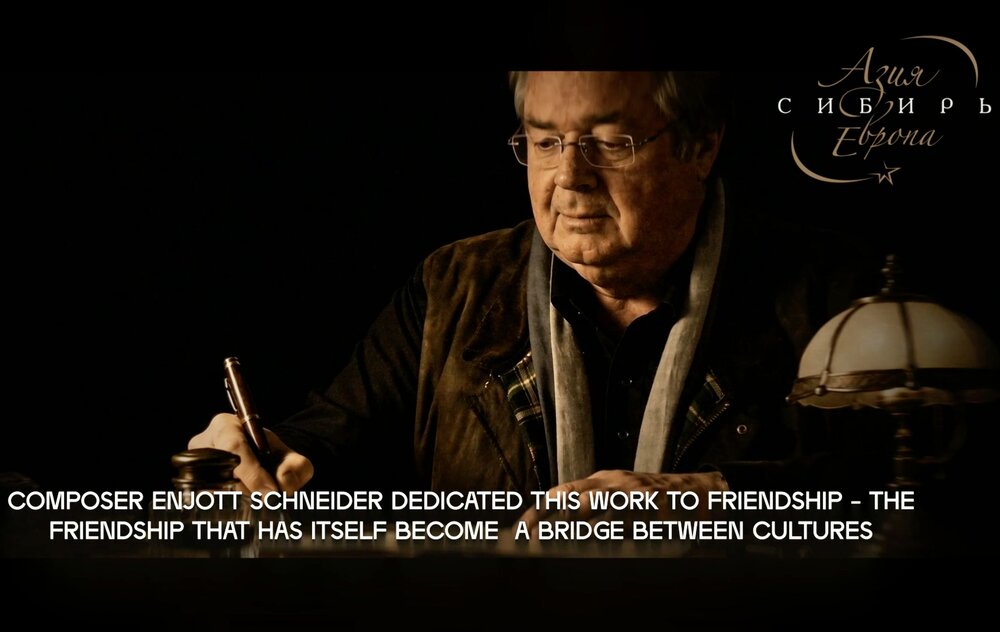
Dedication: Dedicated in friendship to the „Silkroad Duo“: Wu Wei & Cagatay Akyiol
The movement 5 „Swan Dance“ ist dedicated to festival director Larisa Markosyan, Music Festival „Asia – Siberia – Europe“ in Krasnoyarsk, for her friendship since 2016.
Additional remarks: Commissioned by MUSIC FESTIVAL "ASIA - SIBERIA - EUROPE" Krasnoyarsk 2026
World premiere:
15.09.2026
, State Opera Krasnoyarsk / Siberia
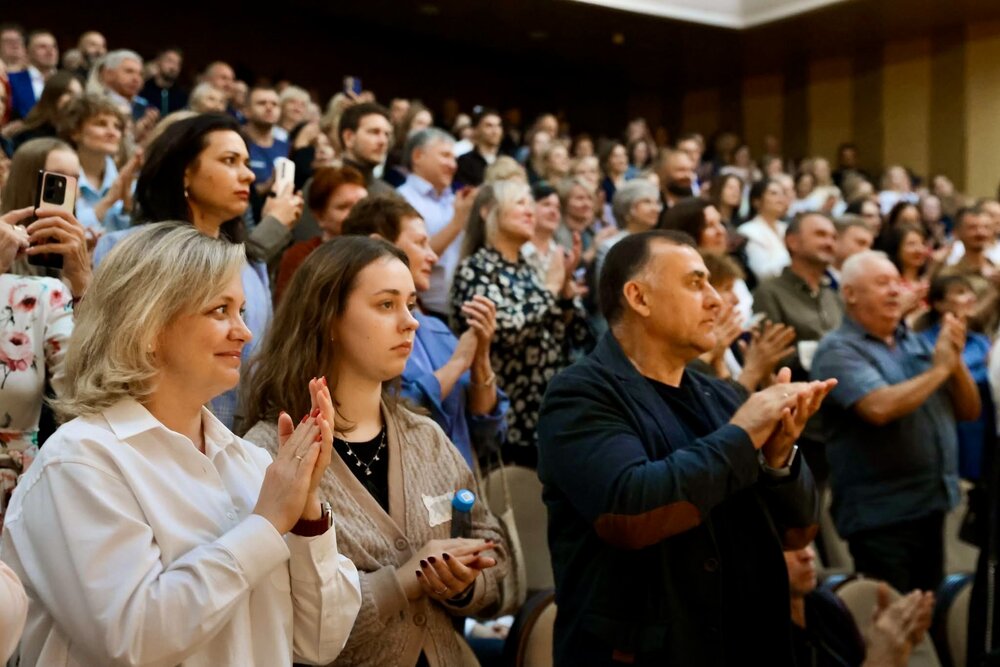
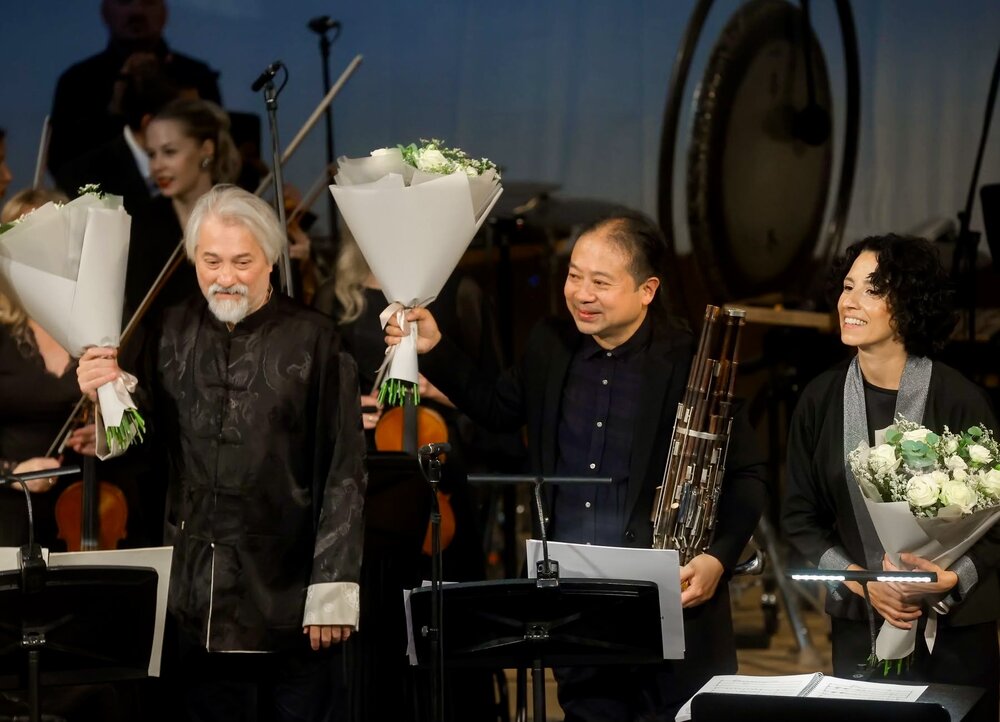
Performers at world premiere: 15. September 2026 at 19:00 in the State Opera of Krasnoyarsk/Siberia at the 24th International Festival of Chamber Orchestra Music „Asia – Siberia – Europe“ with Wu Wei (Sheng), Cagatay Akyol (Harp), Krasnoyarsk Chamber Orchestra,
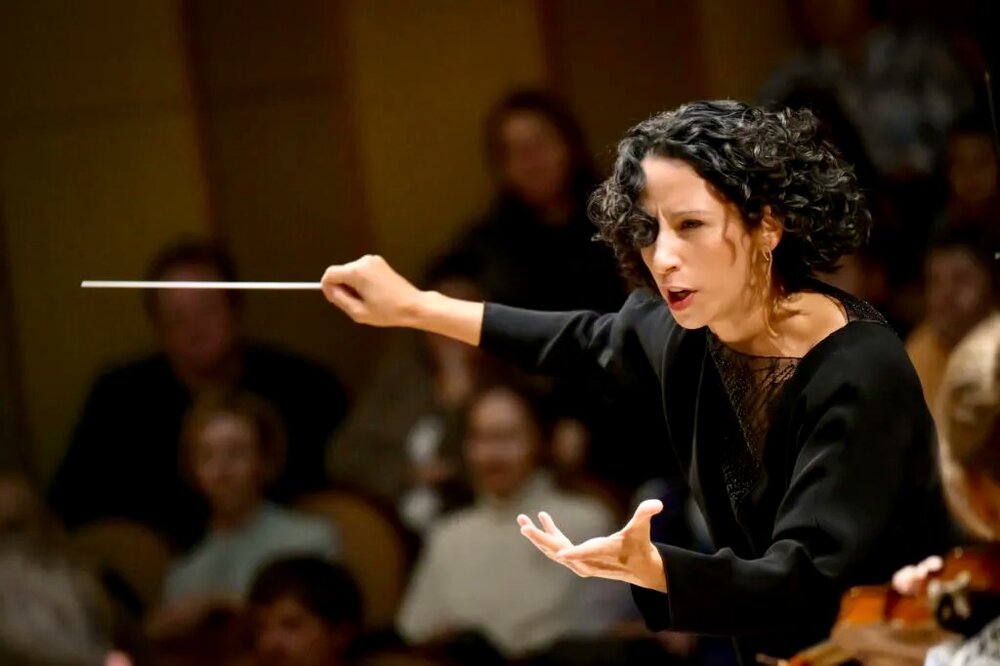
conducted by Maria Benyumova (including a broadcast recording)