Category:
Symphonic / Orchestral
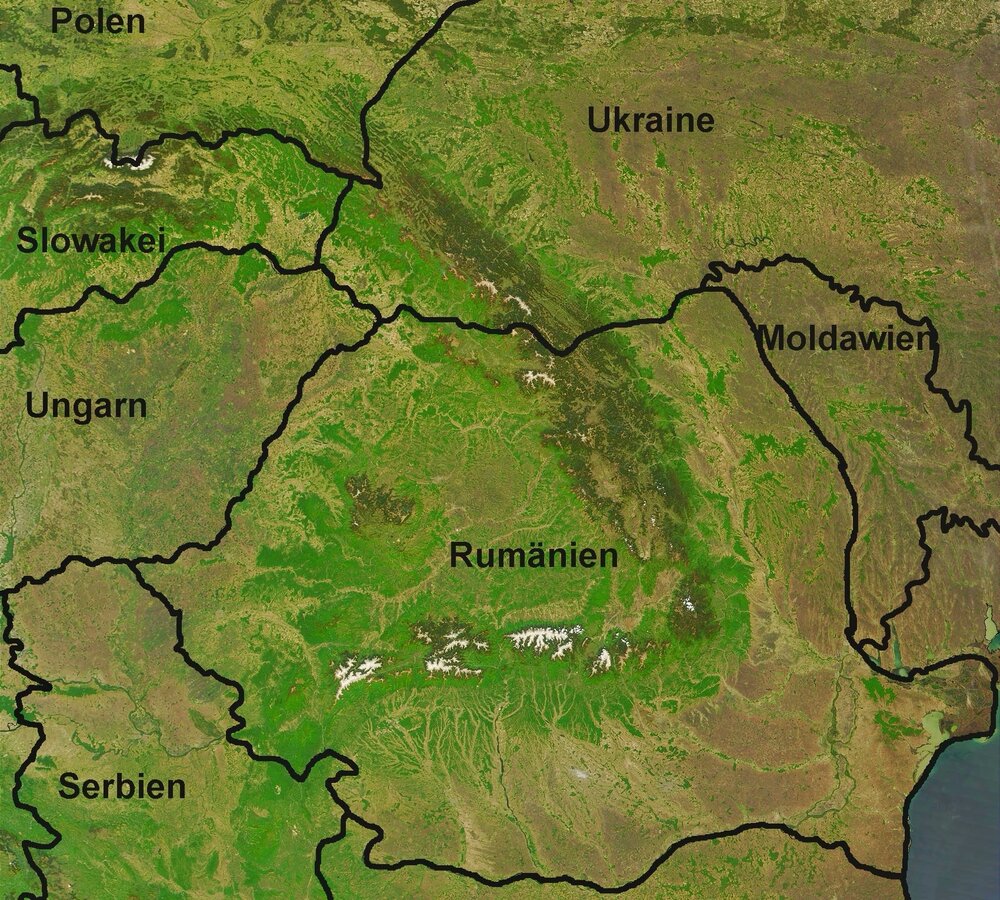
Hardly any other country can boast such a wealth of myths and legends as Romania, that mysterious blend of Dacians, Romans and other tribes, who ultimately trace their origins back to the Thracians of the pre-Christian millennium. The wild and dark world of the Carpathians has always been a mysterious refuge where ancient cultural heritage, rituals and the symbiosis of man and nature have been authentically preserved. As a crossroads between ancient Greece, Turkey, Mesopotamia and Central Asia, Romania is home to rituals and customs that have long since been rationally superseded elsewhere by technological civilisations.
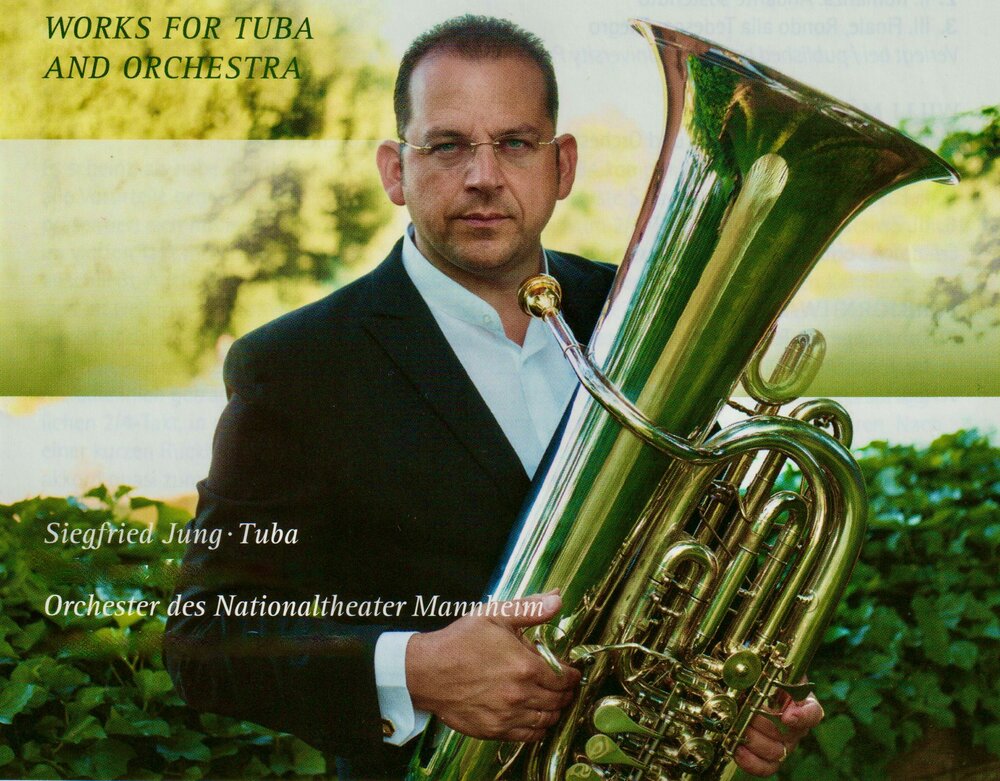
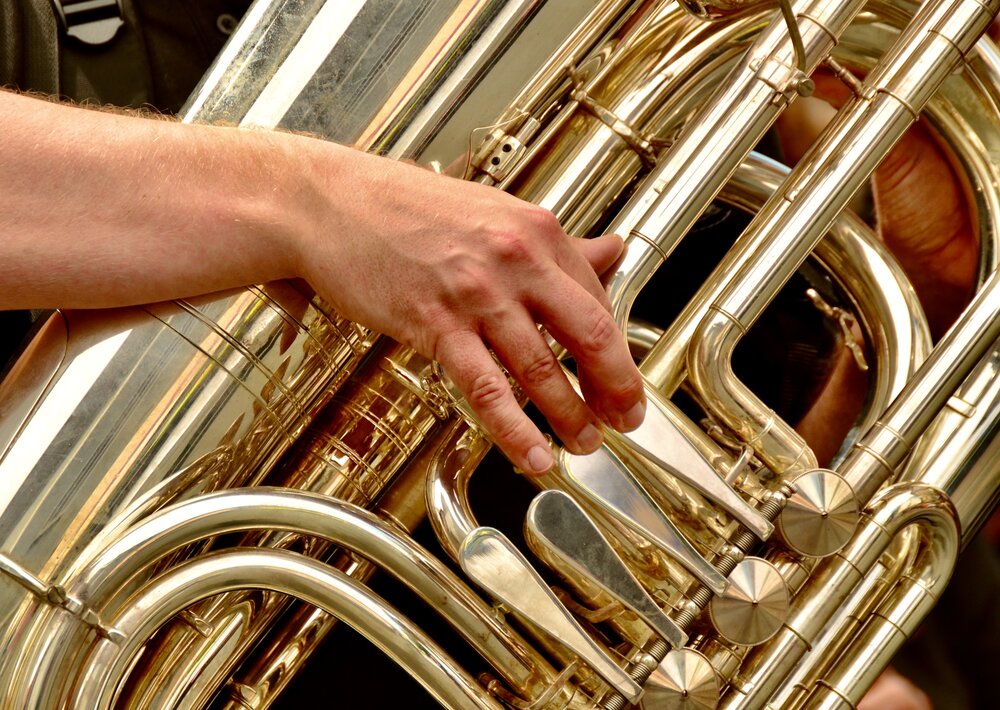
Hardly any instrumental sound is more suited to expressing the spirit of this natural, wild wonderland of the Carpathians and Transylvania than that of the dark, powerful and, in its richness, little-known tuba: pure surprise! A tuba concerto that showcases the astonishingly virtuosic diversity of the instrument, yet also knows how to transport the listener evocatively to worlds of the past – like cinema in the mind. A commissioned work for the Romanian-born tuba virtuoso Siegfried Jung.
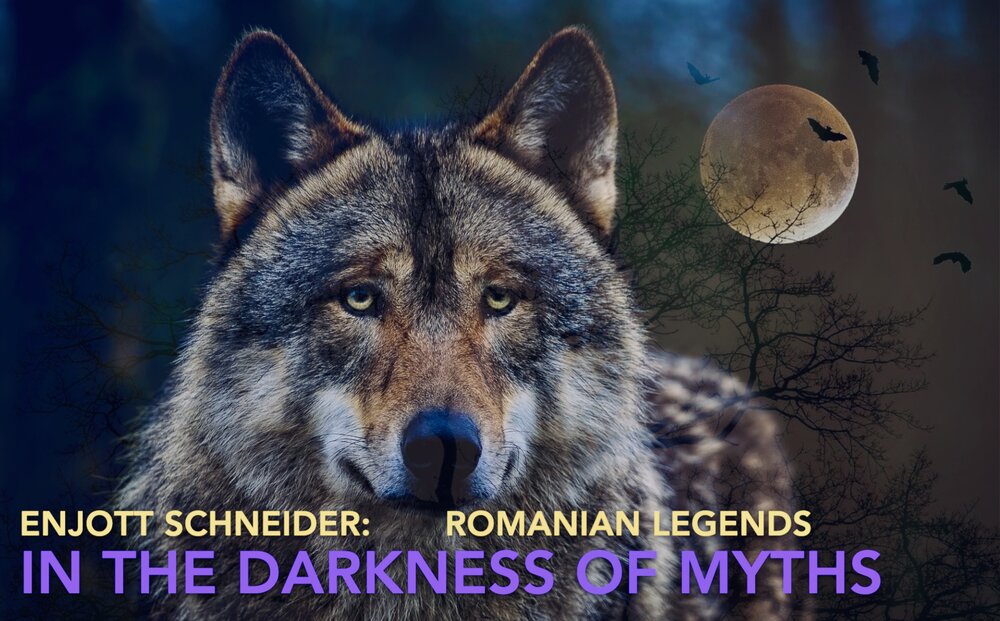
Movements: 1: THE WOLF – THE ANCESTORS’ POWER ANIMAL
2: STRIGOI – THE BLACK PATH
3: CANTECUL ZORILOR – SONG OF TWILIGHT
4: MARTISOR – THE BELIEF IN THE LIGHT
Publisher of notes/sheet music: Ries & Erler Musikverlag
, 2026
Instrumentation: Tuba (F) solo,
2 Flutes (2nd also Piccolo), 2 Bassoons, Harp, Timpani, 2 Percussions,
Large String Orchestra (Vl 1-3, Vla 1-2, Vc 1-2, Cb)
Perc 1: Timpani, Triangle, Claves
Perc 2: Vibraphone, Chimes, Tamtam, Crashmetal, Triangle, Chinese Cymbal, Tomtom, Tubular Bells
Perc 3: Glockenspiel, Große Trommel, woodblock, Waterphone, 3 suspended Cymbals
Solo instruments: Bass Tuba
Introduction: Hardly any other country can boast such a wealth of myths, legends and fairy tales as Romania, that mysterious blend of Dacians, Romans and other tribes, who ultimately trace their origins back to the Thracians, a people dating back to the pre-Christian millennium. The wild and dark world of the Carpathians, one of Europe’s largest mountain ranges stretching 1,500 km, offered protection during times of war, crisis and persecution and served as a refuge where ancient cultural heritage, rituals and the symbiosis between humanity and nature were authentically preserved. Around 800 kilometres of the Carpathians lie within the territory of modern-day Romania, with Transylvania at its heart. As a crossroads between ancient Greece, Turkey, Mesopotamia (the cradle of all civilisations), the Near East and Central Asia, Romania is home to cultural relics, rituals and customs that have long since been rationally overlaid by technological civilisations elsewhere.
Hardly any instrumental sound is more suited to expressing the spirit of this natural, wild wonderland of the Carpathians and Transylvania than that of the dark, powerful and, in its richness, unknown tuba: pure surprise!
Notes on the movements:
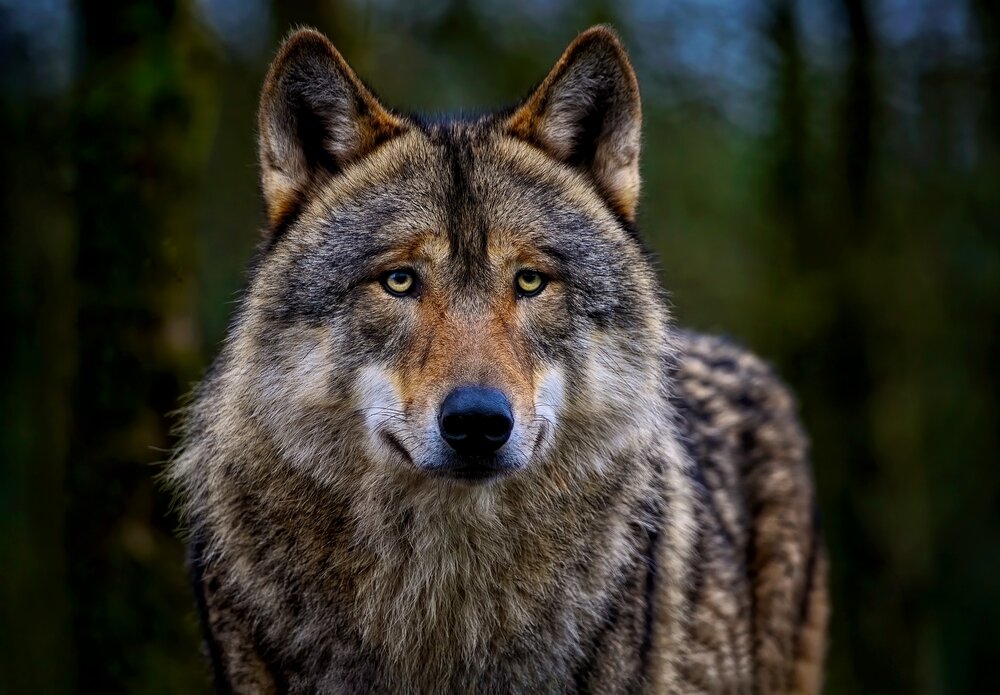
1: The wolf is a spirit animal and ancestor in Dacian mythology: indeed, the name ‘Dacians’, the ancient ancestors of the Romanians, derives from the Phrygian word ‘daos’ (wolf). The Great White Wolf is the supreme guardian of the wolves, who can gather the wolf souls in times of danger to defend the land. In the myths, the wolf is a shape-shifter, able to oscillate between human and animal – as in the case of the werewolf or the blood-sucking Strigoi. Apart from the demons, however, there is also the good wolf as a protector of humans, as is known from the loyalty of dogs. Incidentally: even in modern-day Romania, the unresolved scourge of stray dogs points to the dominance of wolfish ferocity.
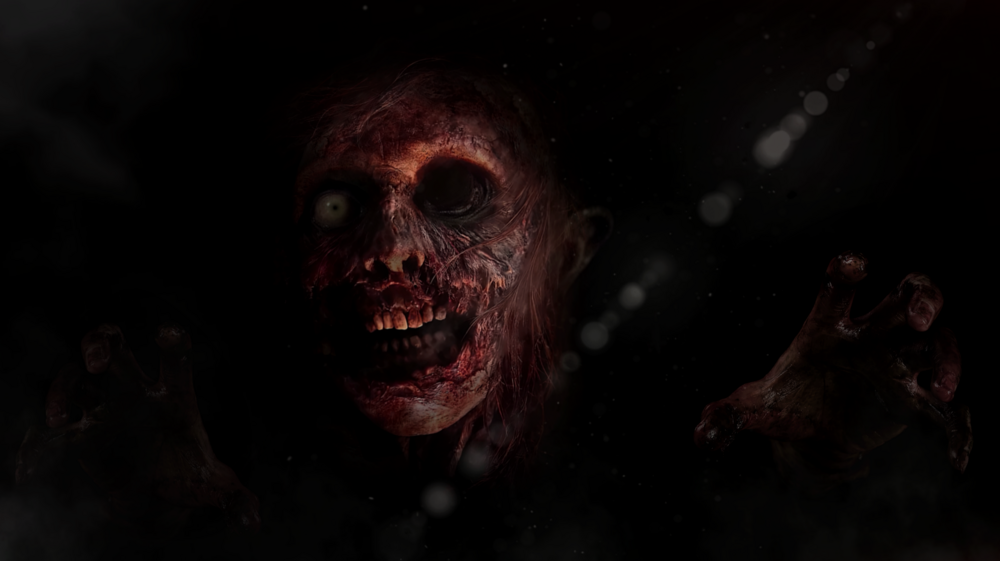
2: Strigoi as undead, blood-sucking vampires – Dracula is arguably the best-known myth – form the core of folk belief. In the Carpathians, there are several ‘Black Paths’ – stretches of woodland where humans and animals repeatedly vanish without a trace, or at most leave behind ominous clues. One such place is Hoia-Baciu in Transylvania, the ‘Bermuda Triangle of Europe’, a hotspot for UFO sightings and many legendary tales.
3: ‘Canticul zorilor’, or ‘Songs of the Twilight’, form part of funeral rites that date back to archaic times and are performed primarily by professional mourners during the three days leading up to the burial. They are closely linked to the belief in the soul (‘Sufletul’), which is thought to leave the body during this period. In the song of the evening twilight, the soul leaves the body; in the song of the morning twilight, the soul then re-enters the regained afterlife. The Romanian belief that death at twilight is helpful, relieving and the ultimate goal is unique in Europe: it is known primarily from Asia, for example in Armenia, where the twilight hour is also recognised as having great significance in the dying process. One of the most beautiful Indian scales is used as the musical material for dawn – the ‘Rag Lalitha’, which is expressly intended to be played at the very break of day.
4: The ‘belief in light’ or the ‘battle between light and darkness’ lie at the heart of Romanian mythology and are passed down through countless legends and myths. The ‘Martisor’ (English: ‘little March’) is a very well-known ancient custom, where red and white good luck ribbons are woven and given as gifts on 1 March – as a symbol of the beginning of spring and the renewal of nature and life. One of the many legends associated with this tells of the sun transforming into human form so that it could dance the ‘Hora’ (a Romanian folk dance) with the villagers. The evil dragon abducted the sun, locked it in a dungeon, and darkness tormented the people. A young hero finally defeated the dragon, freed the sun, which could once again bestow light, life and warmth. However, he paid for this with his life at the dragon’s hands: his red blood glowed in the white snow of the waning winter. Since that day, women have been weaving the ‘Märzchen’ from red and white threads as good luck ribbons. Good has triumphed over evil.
Dedication: Dedicated in honour of Siegfried Jung, the inspirator and master of the tuba /
In Verehrung Siegfried Jung gewidmet, dem Inspirator und Meister der Tuba