Category:
Organ / Sacred Music
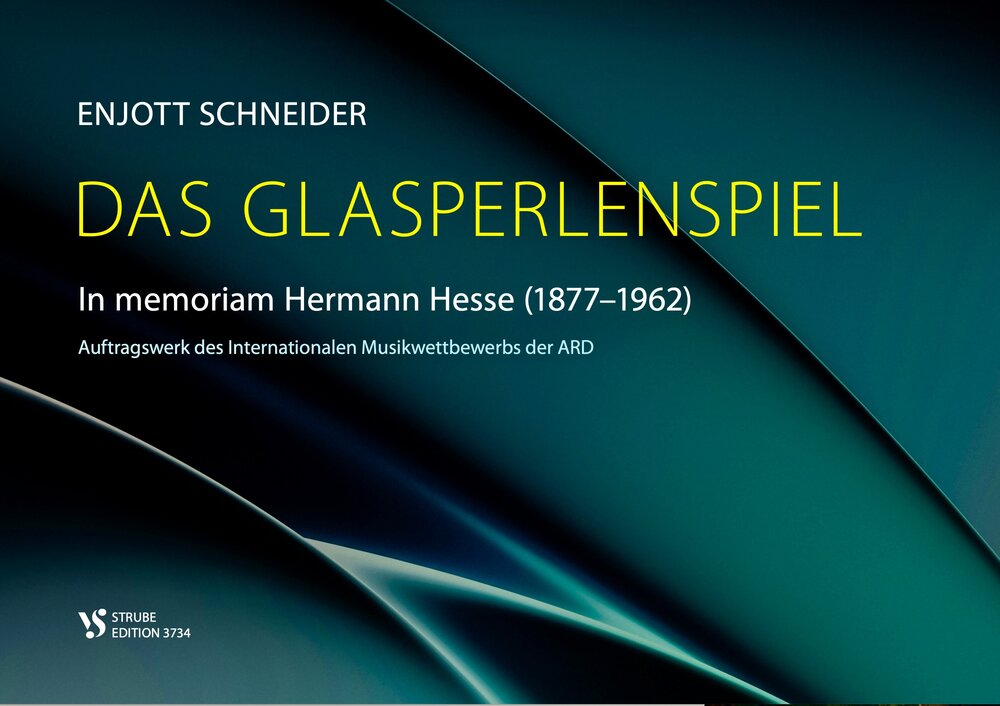
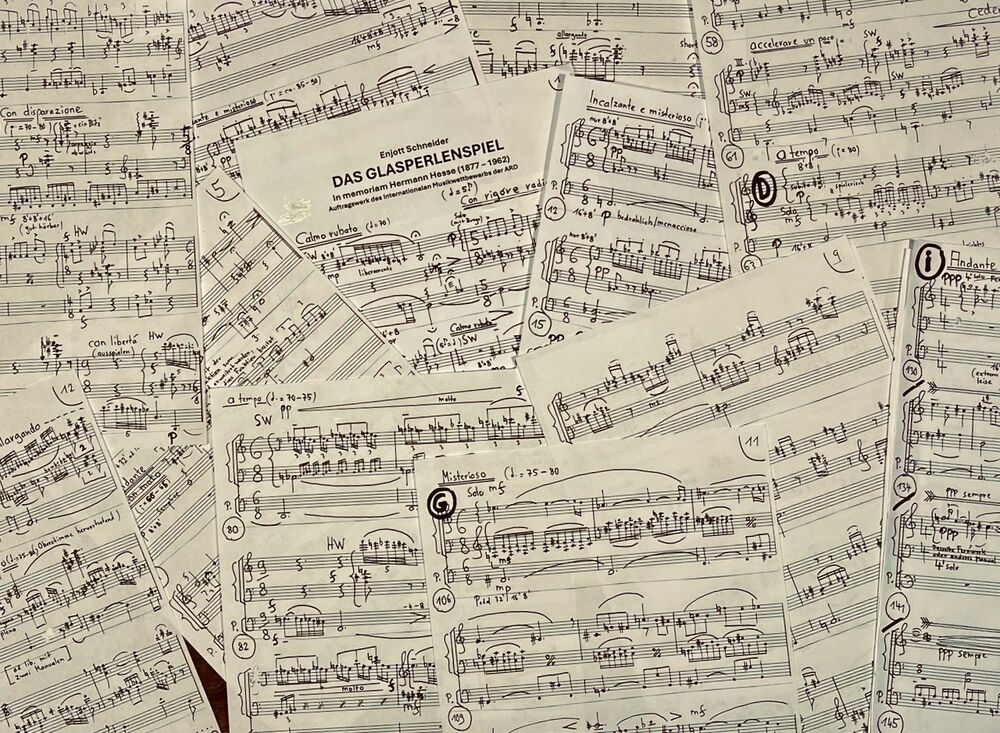
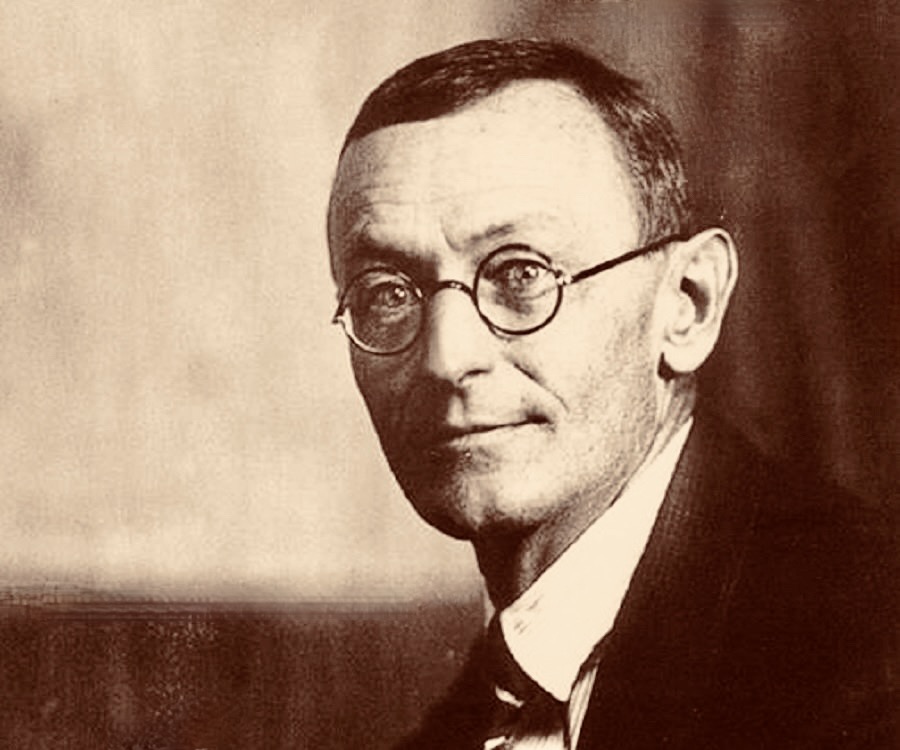
DAS GLASPERLENSPIEL - In memoriam Hermann Hesse (1877 – 1962) is commissioned by „Internationaler Musikwettbewerbs der ARD“
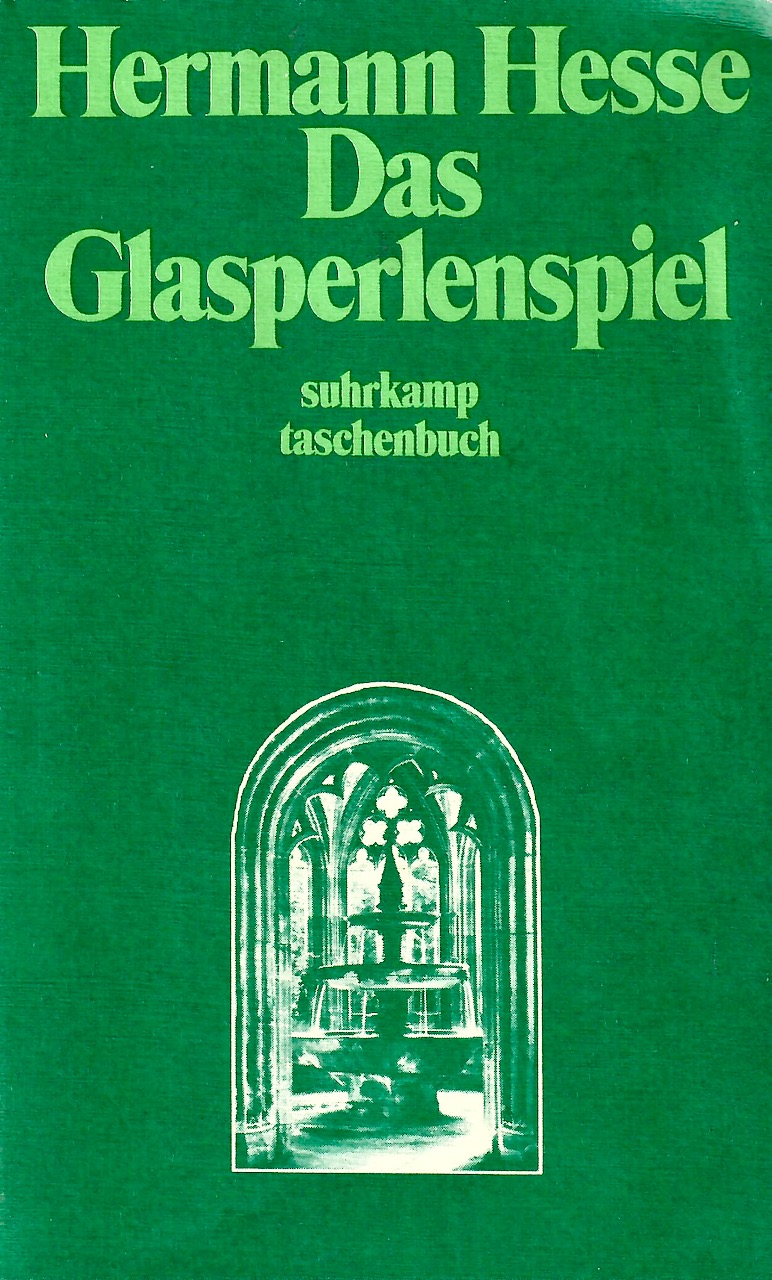
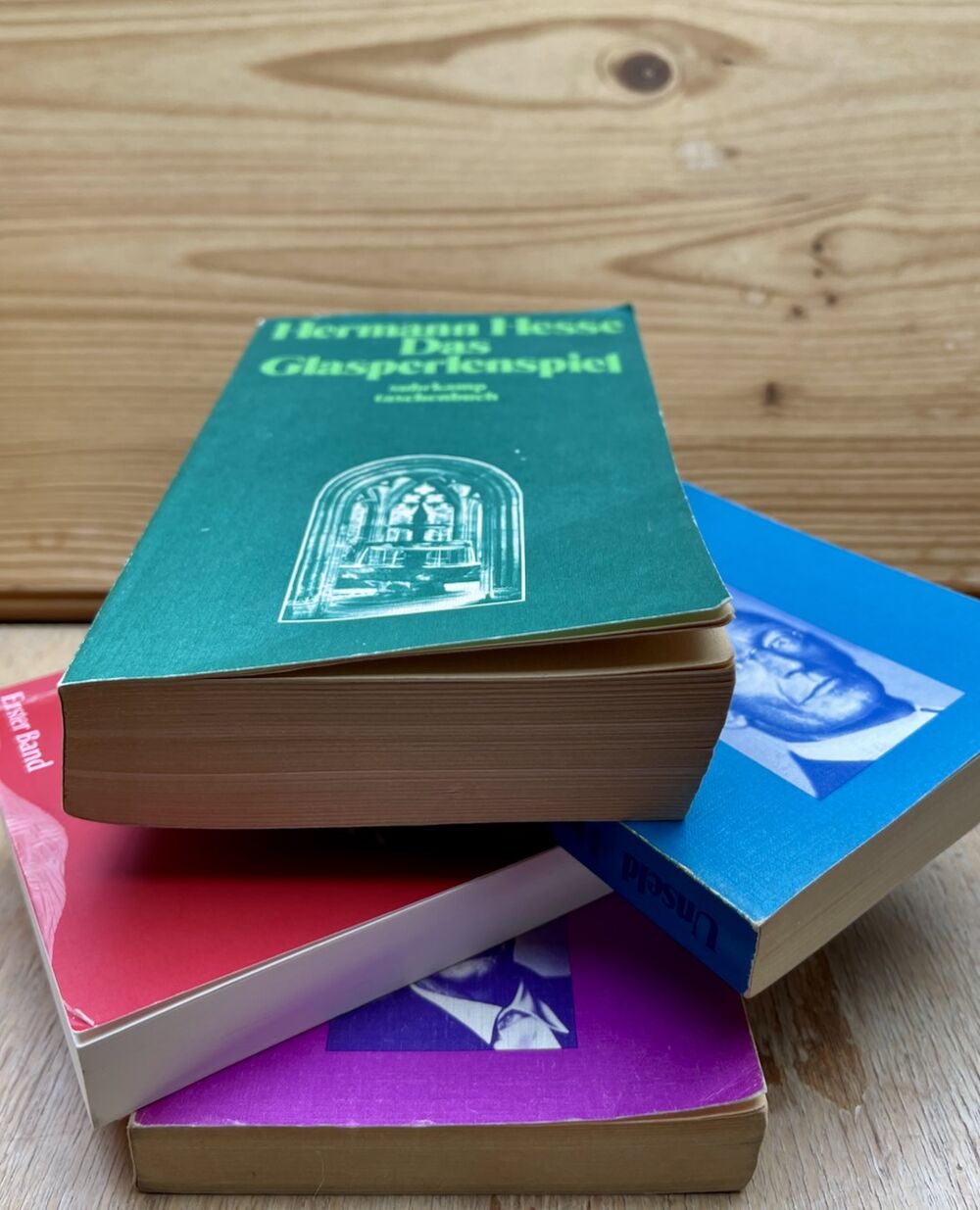
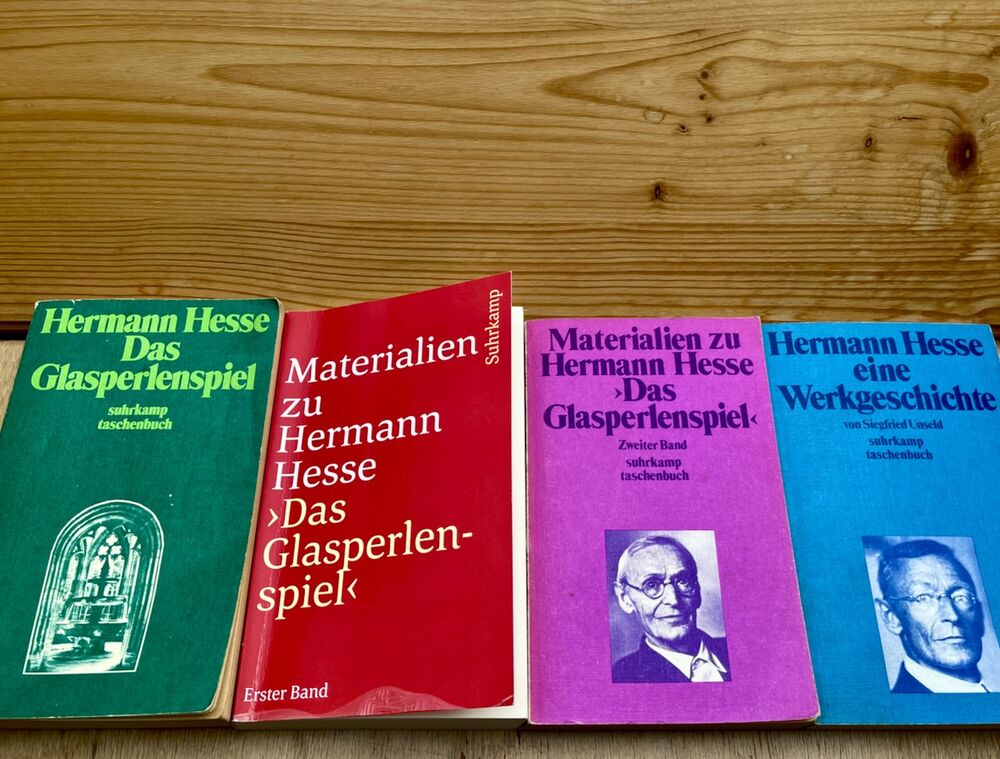
The work reflects on Nobel Prize winner Hermann Hesse's last novel: The Glass Bead Game. An Attempt at a Biography of Magister Ludi Josef Knecht, Including Knecht's Posthumous Writings (1943, Zurich). It does not seek to be ‘glass music’ in order to reconstruct the hypothetical sound of the enigmatic game. Above all, it refers to the painful process of writing this novel, which paralysed and radicalised creative energy at the same time as the rise of National Socialism: During his exile in Switzerland, Hermann Hesse struggled to survive the barbarism of Hitler's regime by countering the lack of freedom and spiritlessness of a society that had become inhuman and focused solely on material things with a sublime world of pure spirit.
The result was a multifaceted organ work that combines the finest tones, a ‘spiritual glass bead code’ and utopian sound visions with a dramatic, virtuoso gesture and phases of abysmal darkness. Many musical details are directly influenced by Hermann Hesse's comments, whether from the novel itself or from countless letters.
Duration: 8 - 9 Minutes
Publisher of notes/sheet music: Strube Verlag München
, 2025
Instrumentation: large organ solo
Introduction: GLASS BEAD PLAYERS are people who counter the material world with its systemic excesses of possessiveness, separation, destruction, obsession with power and ego with a spiritual world – with the primordial knowledge of the interconnectedness of all being. They live this consciously and attentively: they know the positively unifying frequencies of the universe and pass them on from generation to generation, mostly quietly and unnoticed. According to the Confucian idea of the ‘noble’, which is congruent with the Buddhist path or the path of self-knowledge of Jesus, it is up to the individual in his deepest inner core to contribute to the development of society as a civilised ‘we’ through his own perfection of values, education and morality.
Glass bead players were people like Buddha, Jesus, Hildegard von Bingen, Francis of Assisi, Mahatma Gandhi, Albert Schweitzer and Martin Luther King. They became spiritual leaders who were infected by a growing idea at some point and knew how to convey this experience of the divine spark in every life as emotional enthusiasm and ideas. The Glass Bead Game as the ‘game of life’ recognises the unity of all supposed opposites. What is separated and divided into separate ‘things’ in the material world appears to belong together in the immaterial, spiritual world. The “world” is the ‘wave’ – (in german: „die Welt“ is „das Wellende“) - we are all just parts of a gigantic, cosmically vibrating network. Thousands of years ago, the ancient Indian Vedas described this feeling of unity and togetherness with the phrase ‘Tat Twam Asi’. This fundamental respect for all that exists is the path to happiness. In this sense, glass bead players are ‘guardians of happiness’, cheerful, relaxed and tolerant, recognising the wisdom of the universe even in the smallest thing and in the briefest of moments.
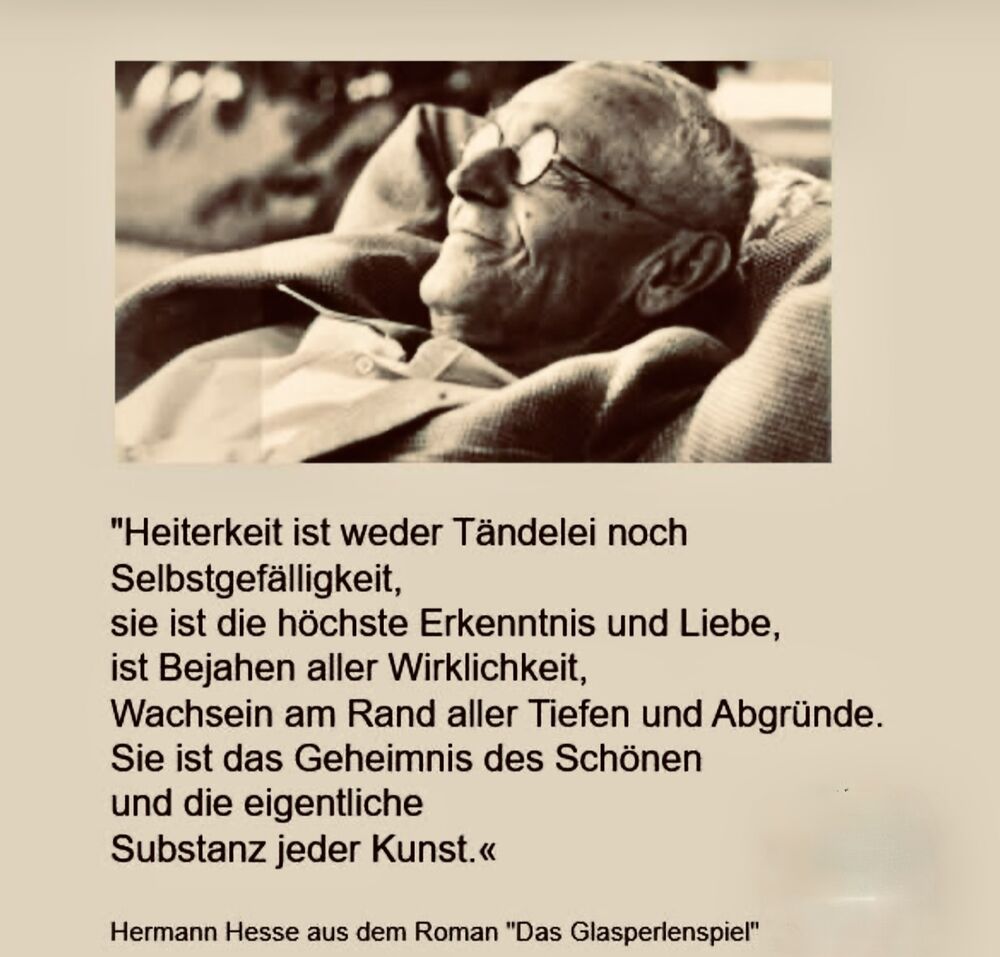
Hermann Hesse: ‘Cheerfulness is neither frivolity nor complacency; it is the highest form of knowledge and love, the affirmation of all reality, alertness at the edge of all depths and abysses. It is the secret of beauty and the very substance of all art.’
ORGAN MUSIC AND GLASPERLENSPIEL
In his novel DEMIAN (1917), it was an organist who introduced the protagonist to the world of the god ‘Abraxas’ – for example, using Buxtehude's ‘Passacaglia's’. In GLASPERLENSPIEL, the organ is the instrument that is often mentioned and could give a tonal representation of the abstract ‘game’ permeated by mathematical ideas. Hermann Hesse was advised on several occasions by his nephew Carlo Isenberg (encrypted as “Ferromonte” in the novel). Their correspondence provides many details, such as Hesse's fondness for Bach's ‘Toccata’ as a cipher for the creation of the world and the coming of light. Since, in addition to philosophy, ‘early music should also play a major role’ in the work, some of Hesse's favourite pieces are quoted verbatim towards the end of my composition: for example, the rondo ‘Mouvement de Chaconne’ from J.P. Rameau's ‘Dance de Zoroastre’ or F. Schubert's piano song ‘Frühlingsglaube’ (Spring Faith), whose opening bars were a symbol of spring and the scent of elderflower for him. As an echo, a few bars by Henry Purcell are heard, whose music led Hesse to a profound realisation: ‘Like a drop of golden light, the notes fell into the silence...’
Additional remarks: REMARKS FOR THE INTERPRETATION
The introduction, bars 1–26, presents the leitmotif of the major seventh twice, after which an atmosphere of menace, unrest and nervous anxiety is created: bright flashes of lightning appear above seething, abysmal frequencies. The tempo markings are only guidelines. It is important to use your own freedom to create a coherent, emotionally effective interpretation that paraphrases the impending catastrophe.
In Part A, from bar 27 onwards, the low frequencies give rise for the first time to the utopian idea of a dematerialised “transparent” island beyond the real world: depending on the organ disposition, ethereal effects such as bells, tremulant or sostenuto functions can be added freely.
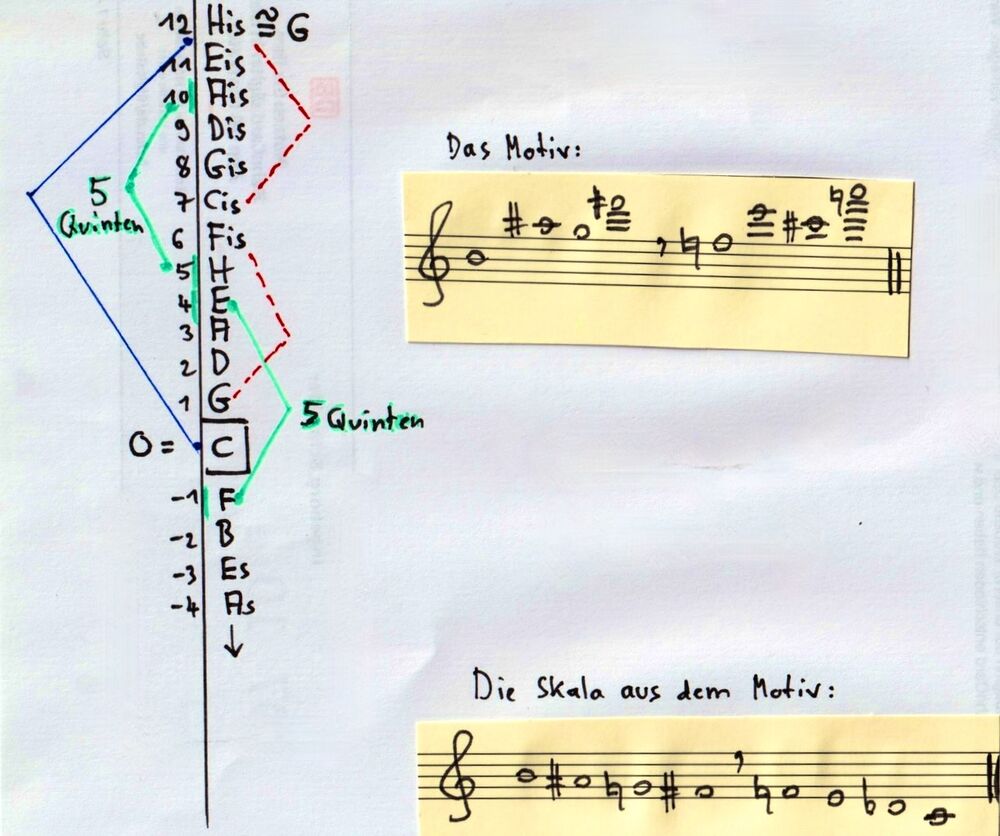
After a second wave of ominously seething apocalypticism, this ‘glass’ island returns in bar 47ff, exposing in its purest form the underlying leitmotif ‘glass bead code’ with its ascending major sevenths: B-A sharp / G-F sharp / F-E / C sharp-C.
The Andante con moto in Part C begins a passacaglia based on the ‘glass bead code’, which was a musical form highly esteemed by Hermann Hesse. This intensifies in both dynamic and temporal terms to a furioso in part F, whose gestures of despair and deathly frenzy are allowed to escalate into a demonic and superhuman virtuosity (according to the individual's free discretion of sound and temporality) – only to end abruptly and shockingly. In the following section, various quotations from early music (Rameau, Bach, Schubert) resound to the soft sounds of a distant utopia, before coming to an end in a new furioso and triple fortissimo of the note B. The quotation from Henry Purcell, often cited by Hesse, in Part K evokes a final echo of the longed-for glass utopia of a world of pure spirit.
World premiere:
18.09.2026
, München, Basilika St. Michael
Performers at world premiere: Uraufführung:
Basilika St. Michael an den Rieger-Orgeln im Rahmen des ARD-Wettbewerbs 2026. Wird im 2. Durchgang von Teilnehmern des Wettbewerbs erstmals erklingen